02
INTRO
The transition of the Canadian Tank Museum from its origins as the Ontario Regiment Museum in Oshawa to a national institution marks a pivotal evolution—from a regionally rooted collection to a steward of Canada’s collective military heritage. This shift brings clear benefits: broader public recognition, expanded partnerships, and an obligation to tell a comprehensive story that reflects Canada’s diverse regions, regiments, and lived experiences of service.
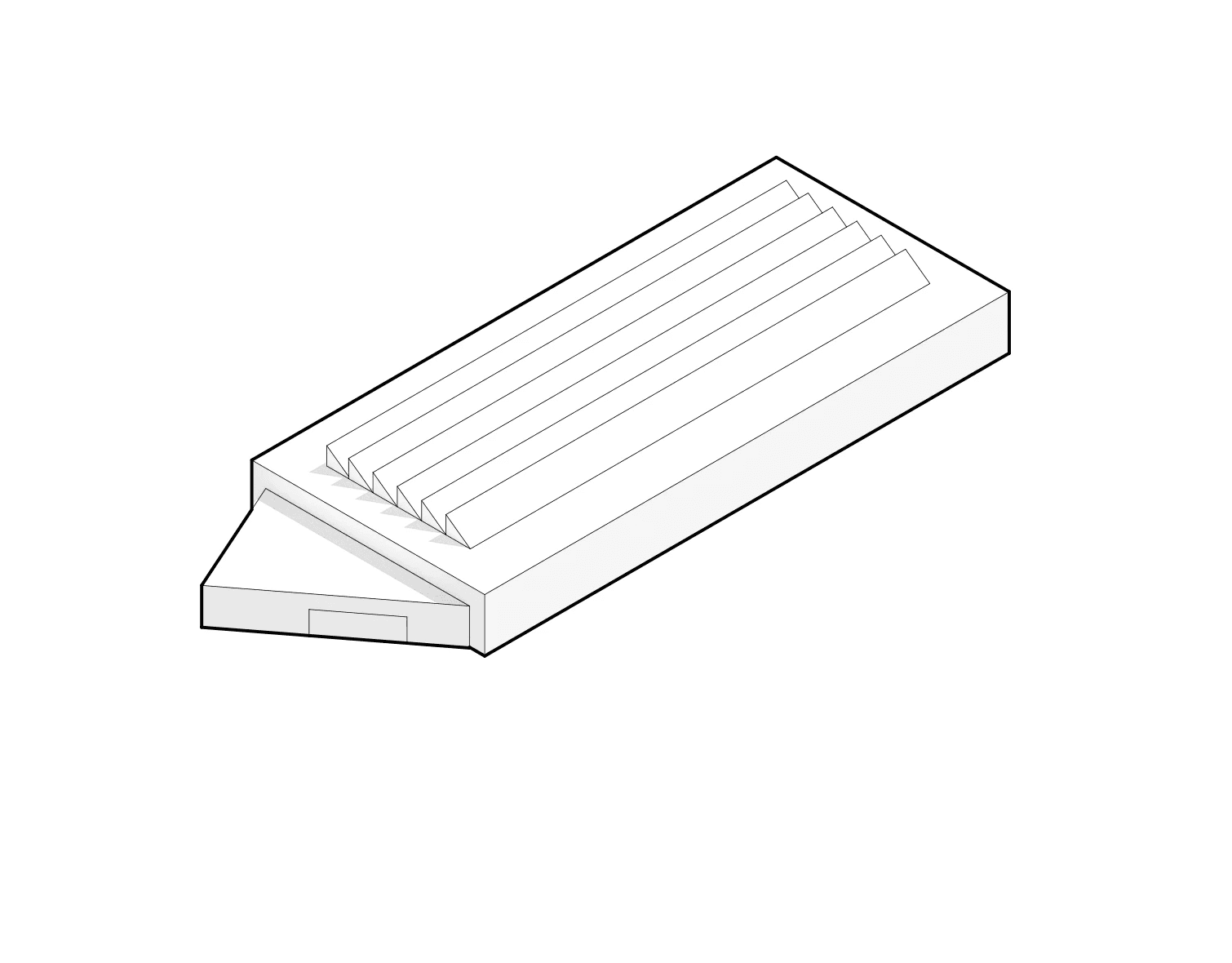
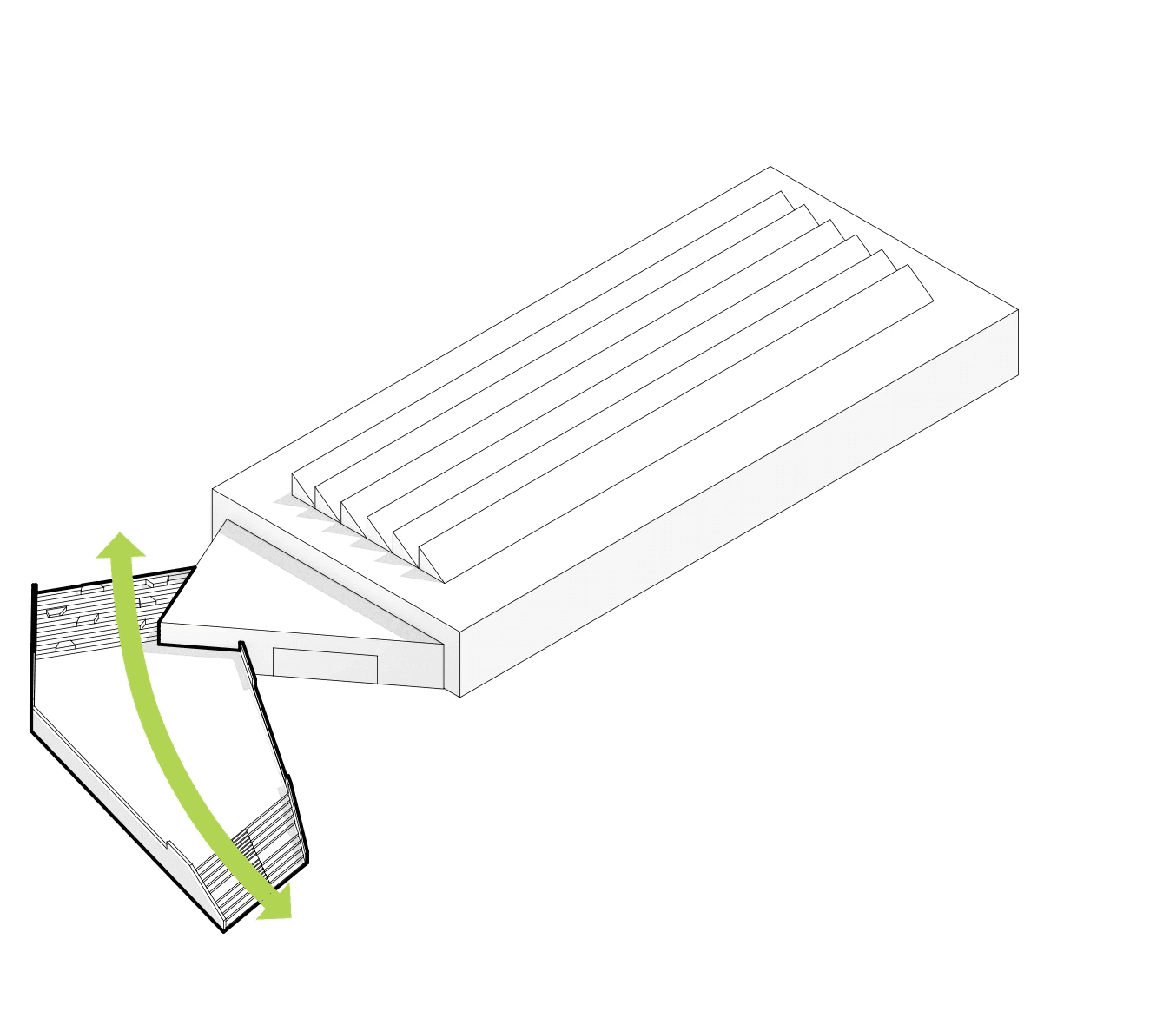
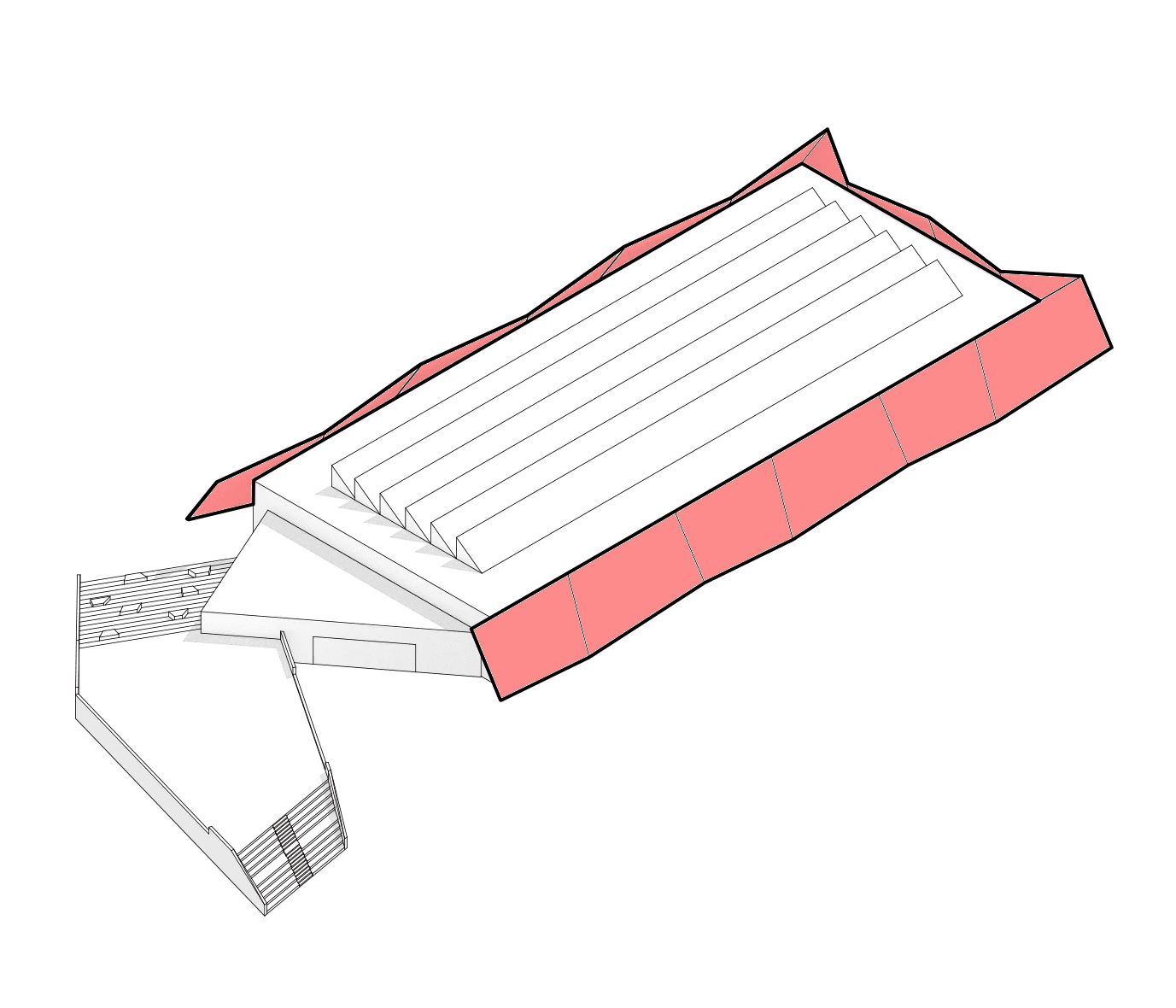

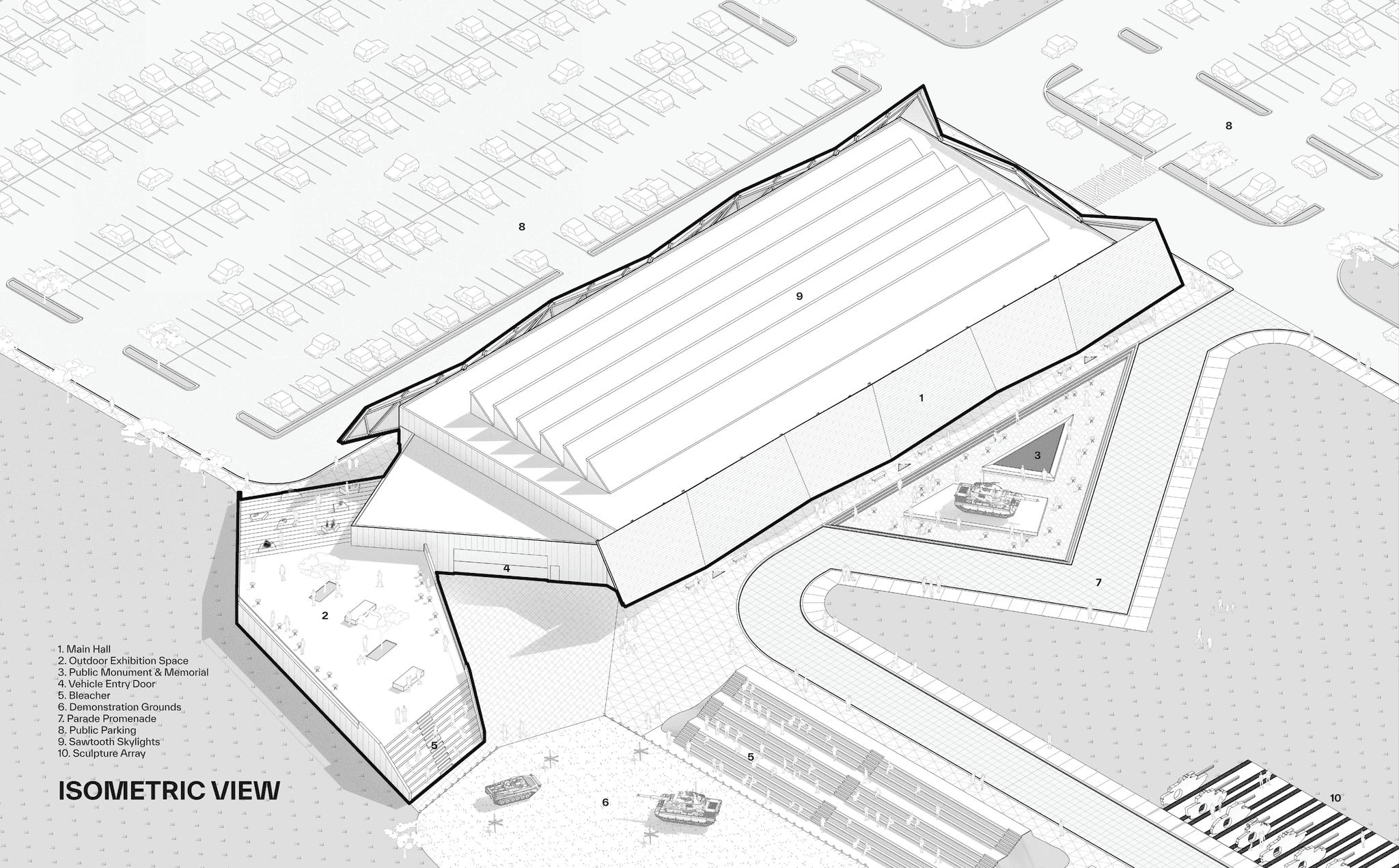
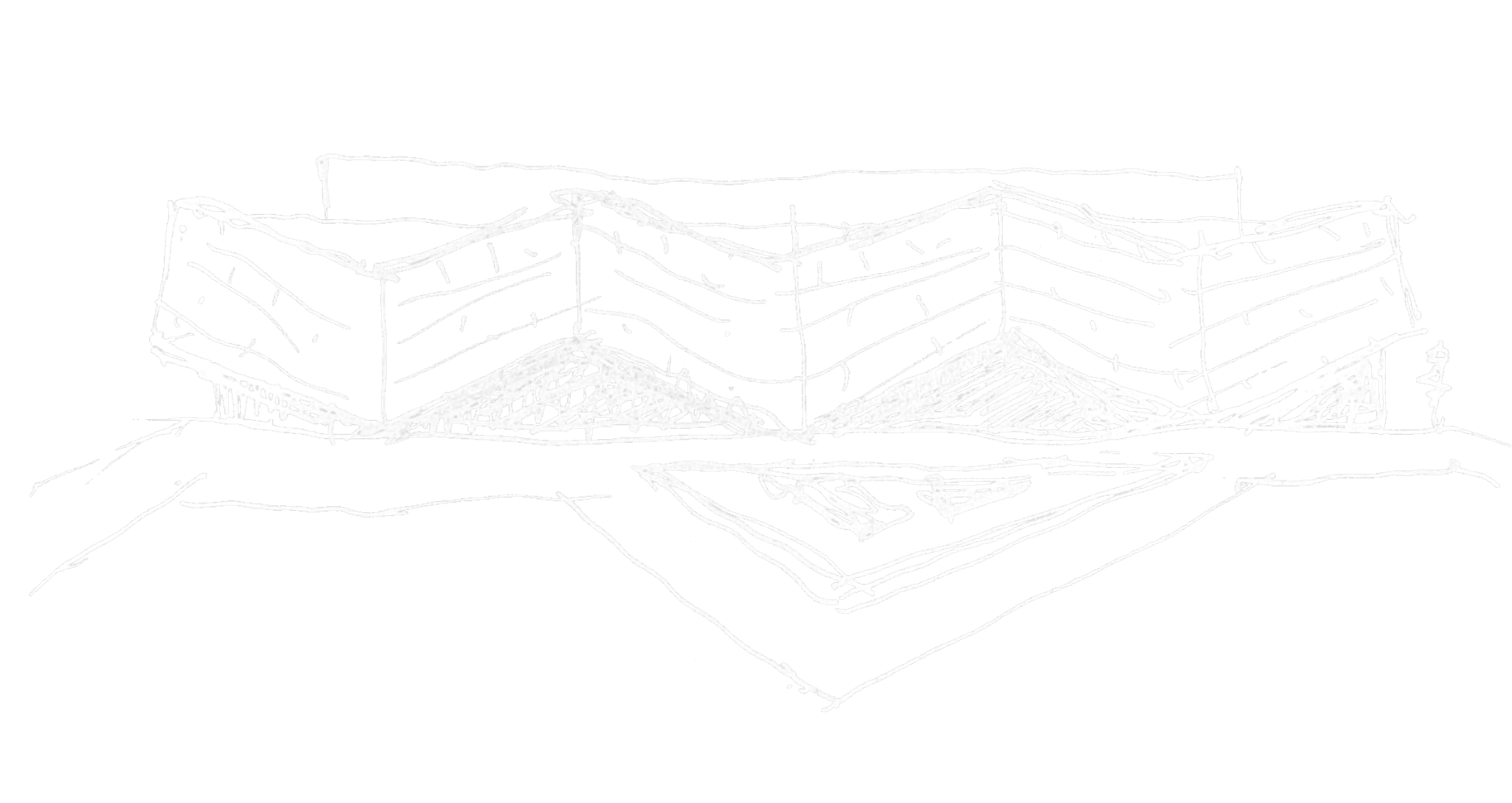

The museum’s form is derived from the distinctive side skirt geometry of the iconic Leopard 1, translating a functional element of armour design into an architectural symbol. Through carefully controlled proportions and angled planes, the building abstracts the tank’s protective mass and forward-leaning stance, capturing a sense of motion, readiness, and resilience.
DESIGN OBJECTIVES
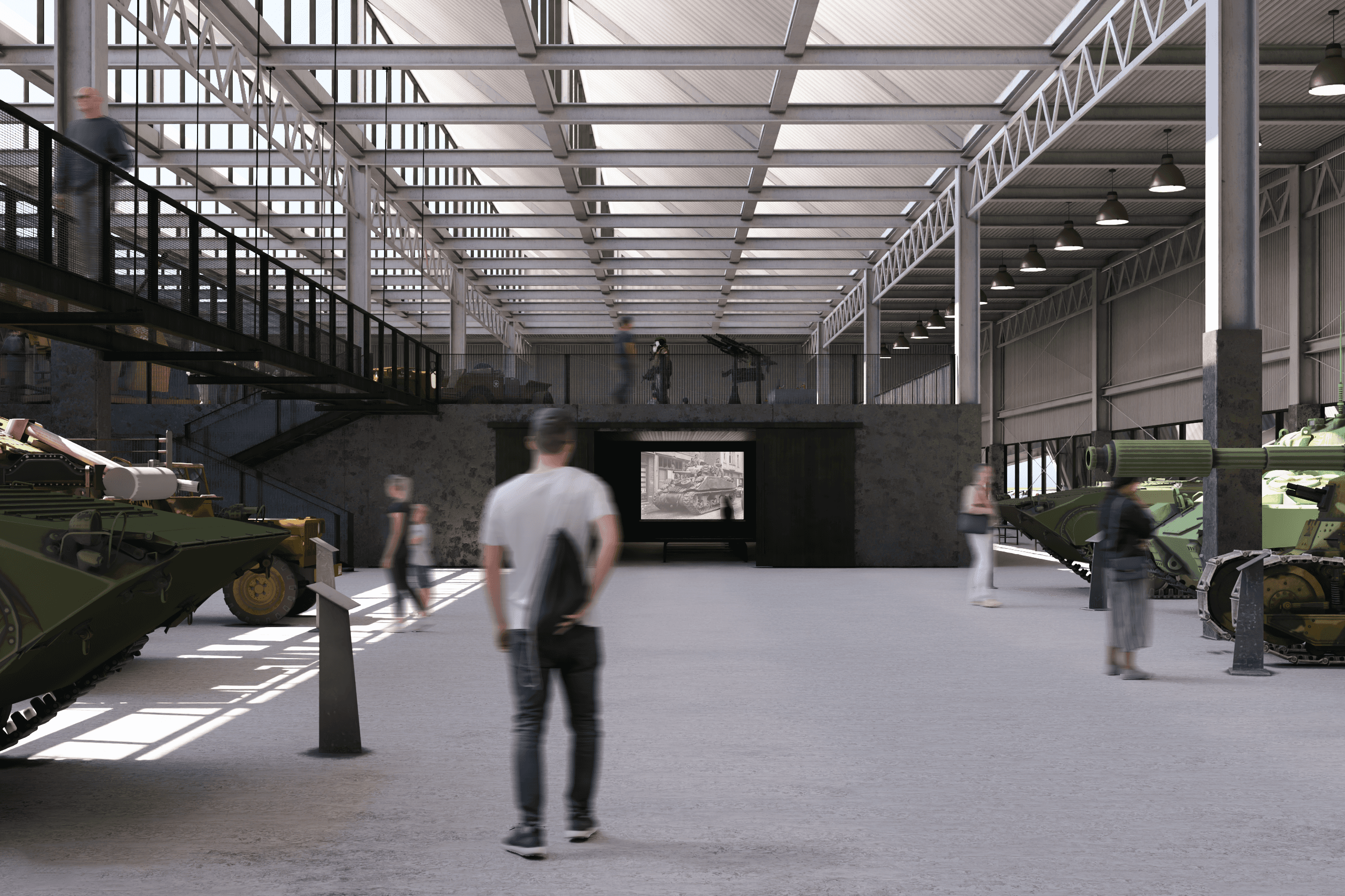

The Leopard 1 holds a singular place in Canadian military history as the main battle tank that defined an era of Cold War readiness, NATO cooperation, and Canada’s modern army. Abstracted architecturally, the Leopard 1 can become a symbolic anchor for the museum itself—its geometry, massing, and structural expression. In this way, the tank’s national significance is transformed from artifact to idea.


MATERIALITY & FORM
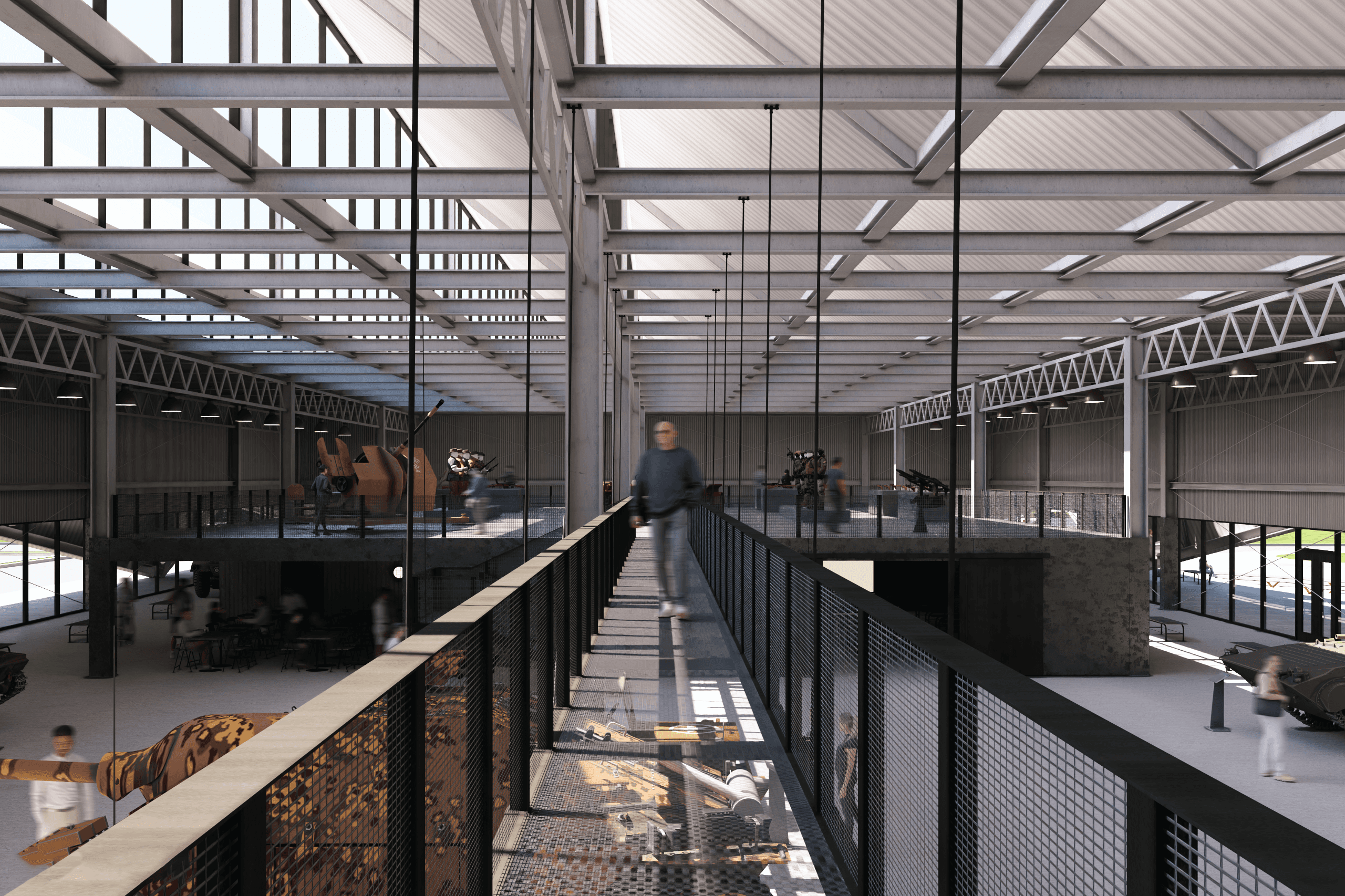
Material choices emphasize weight and durability—layered surfaces, dense textures, and shadowed recesses echo the steel plating of the vehicle—while scale and articulation soften this heaviness into an engaging, public presence. Rather than literal imitation, the architecture distills the Leopard 1’s essence: its balance of strength and precision, its engineered clarity, and its role as a national icon, reinterpreted as a civic landmark


OUTCOMES
The new museum proposal embodies Canadian values architecturally—grounded in its origins, yet open, forward-looking, and capable of representing a national story with clarity, dignity, and ambition.