05

INTRO
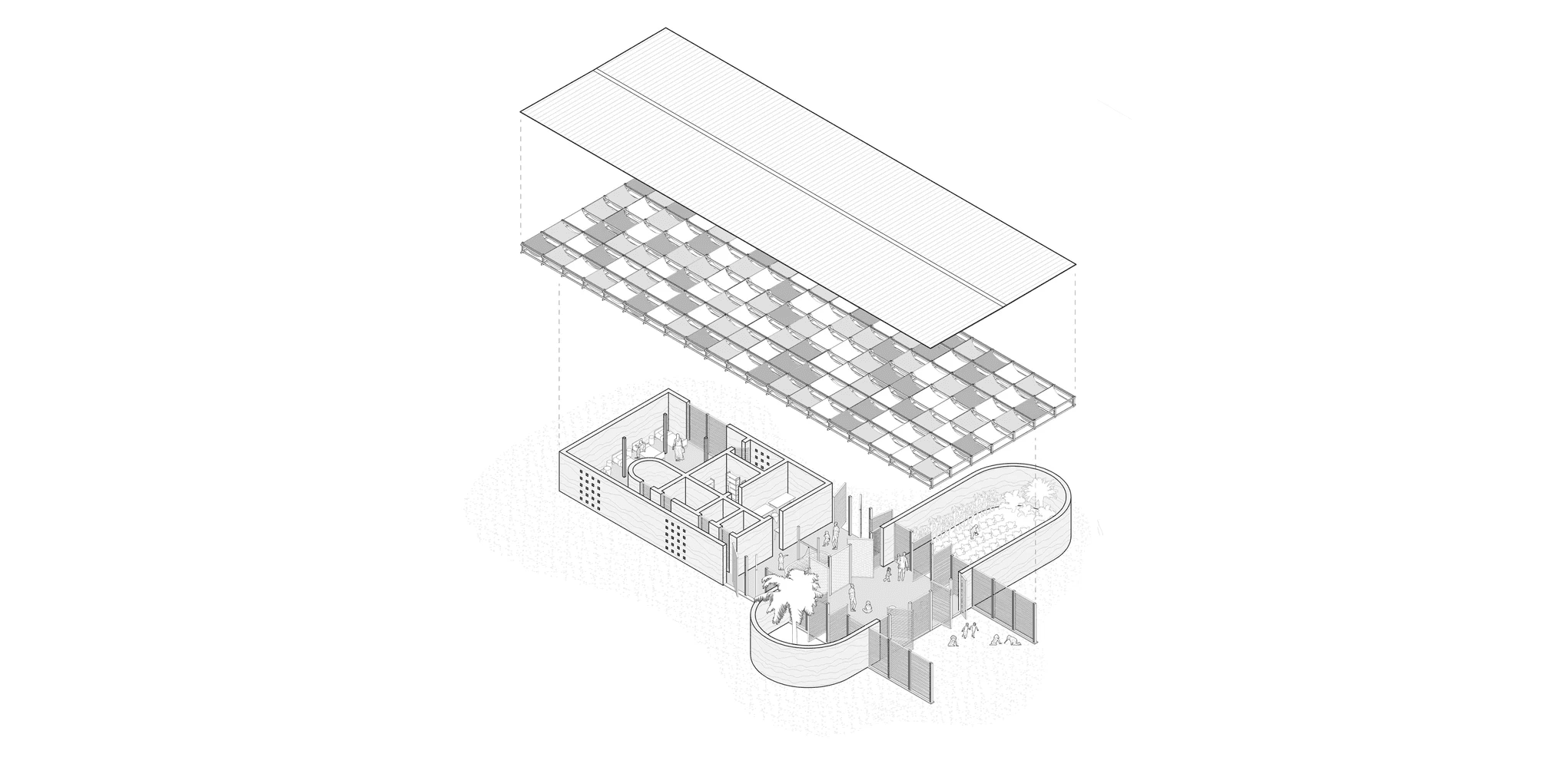
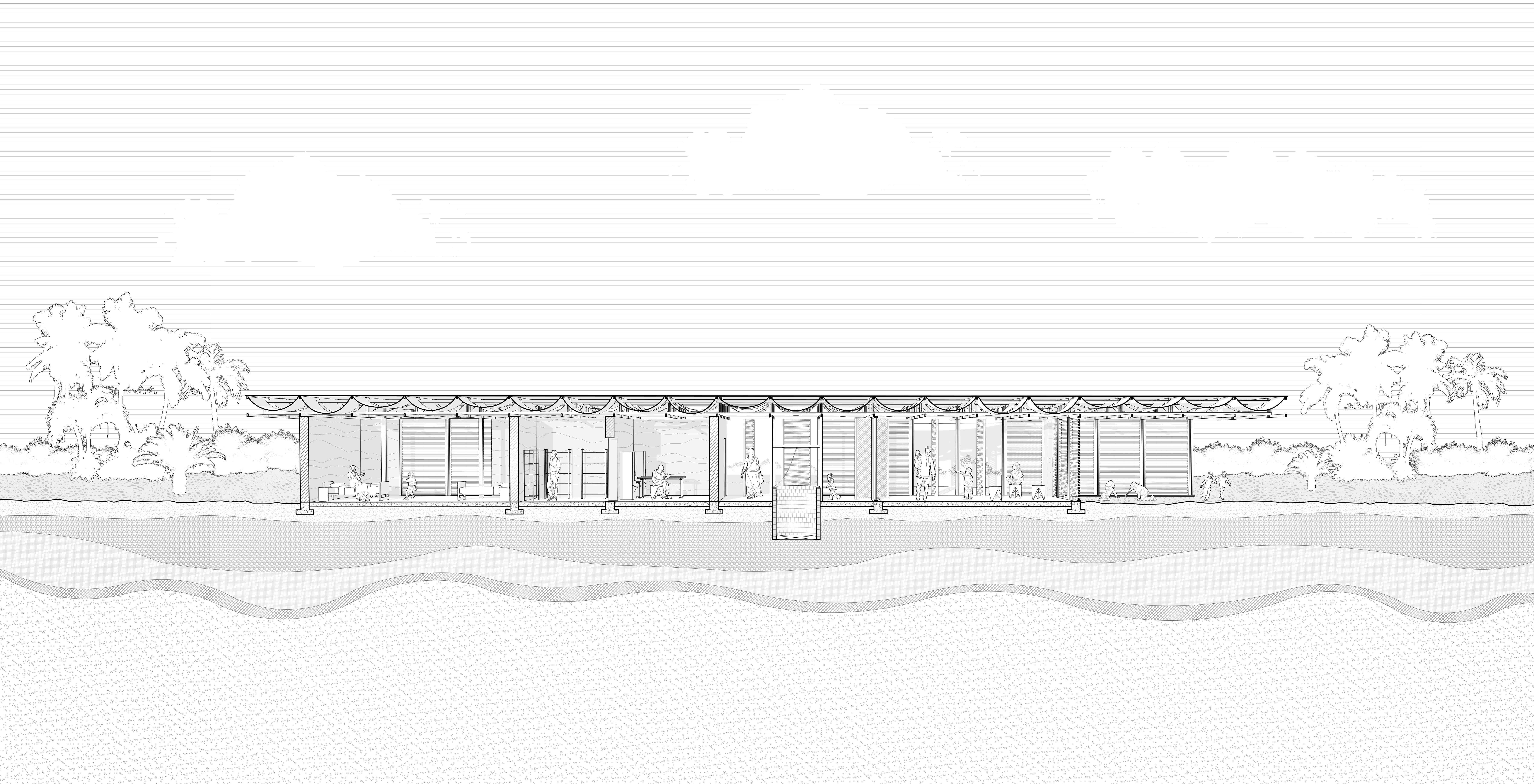
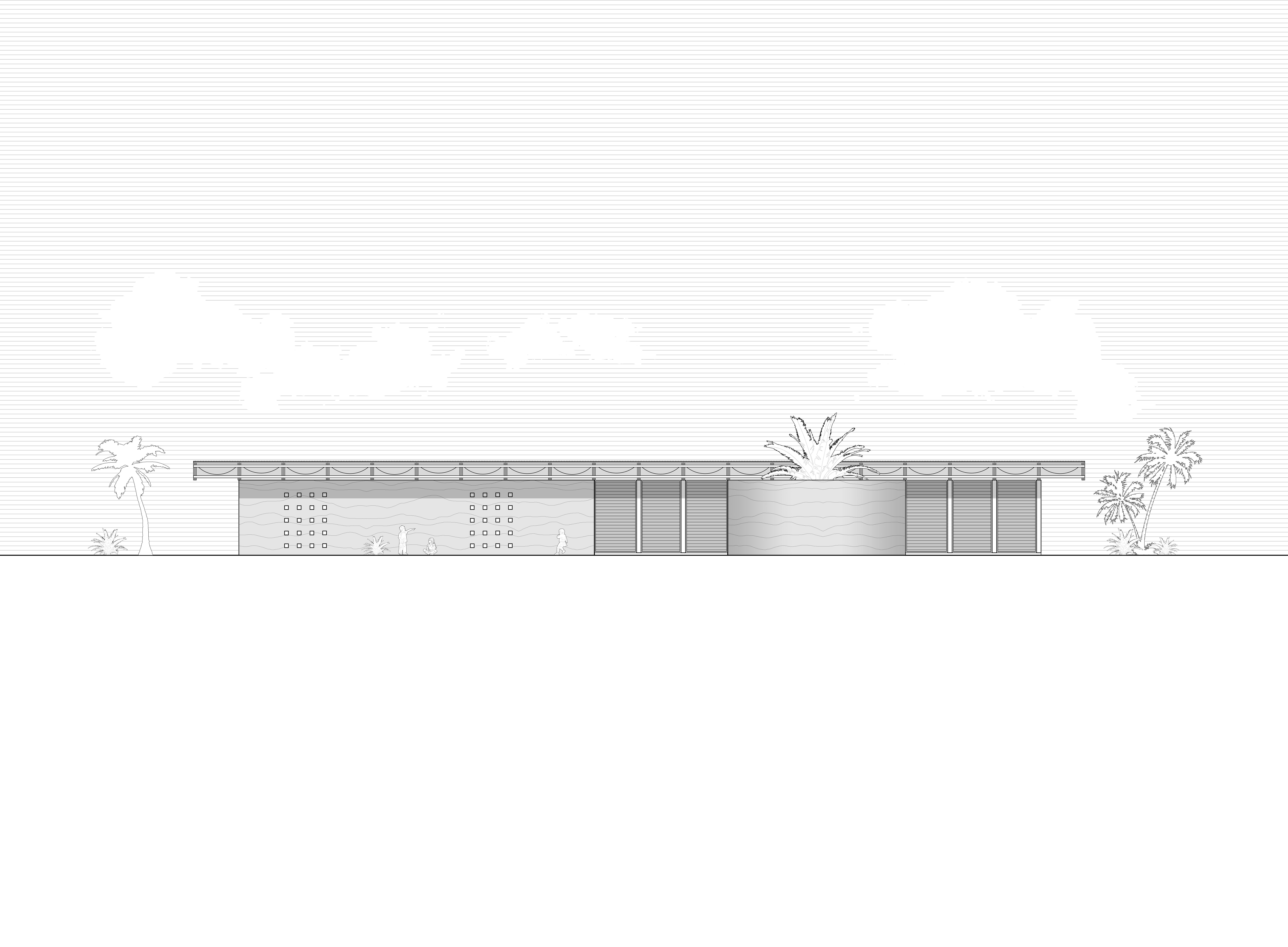
The Simbandi Children’s House nestles into the Senegalese landscape, providing interactive spaces and programming to promote food security and wellness for the local children. The design carefully establishes a relationship with the site, visually reflecting the palette of natural features and materials that define the environment around it.
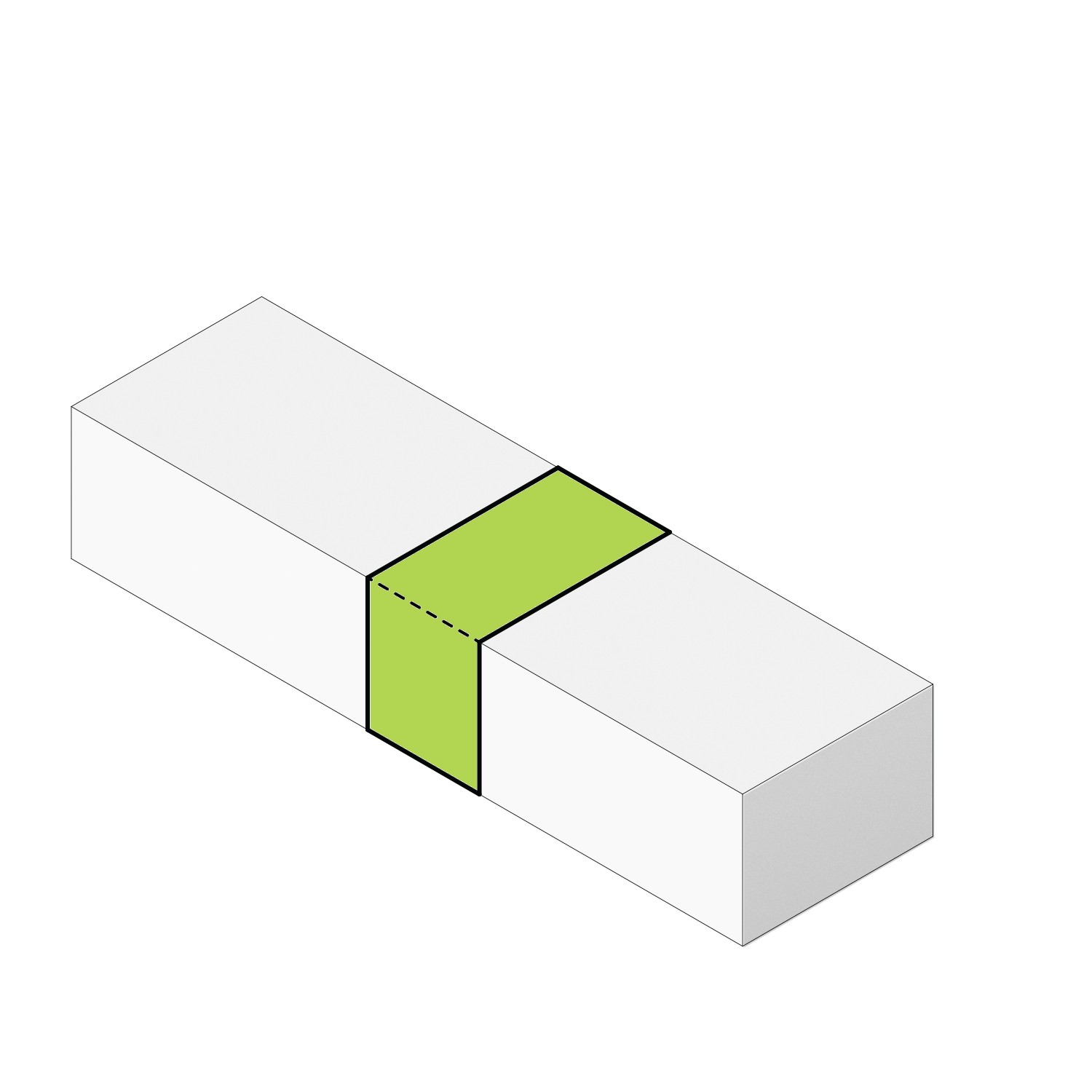

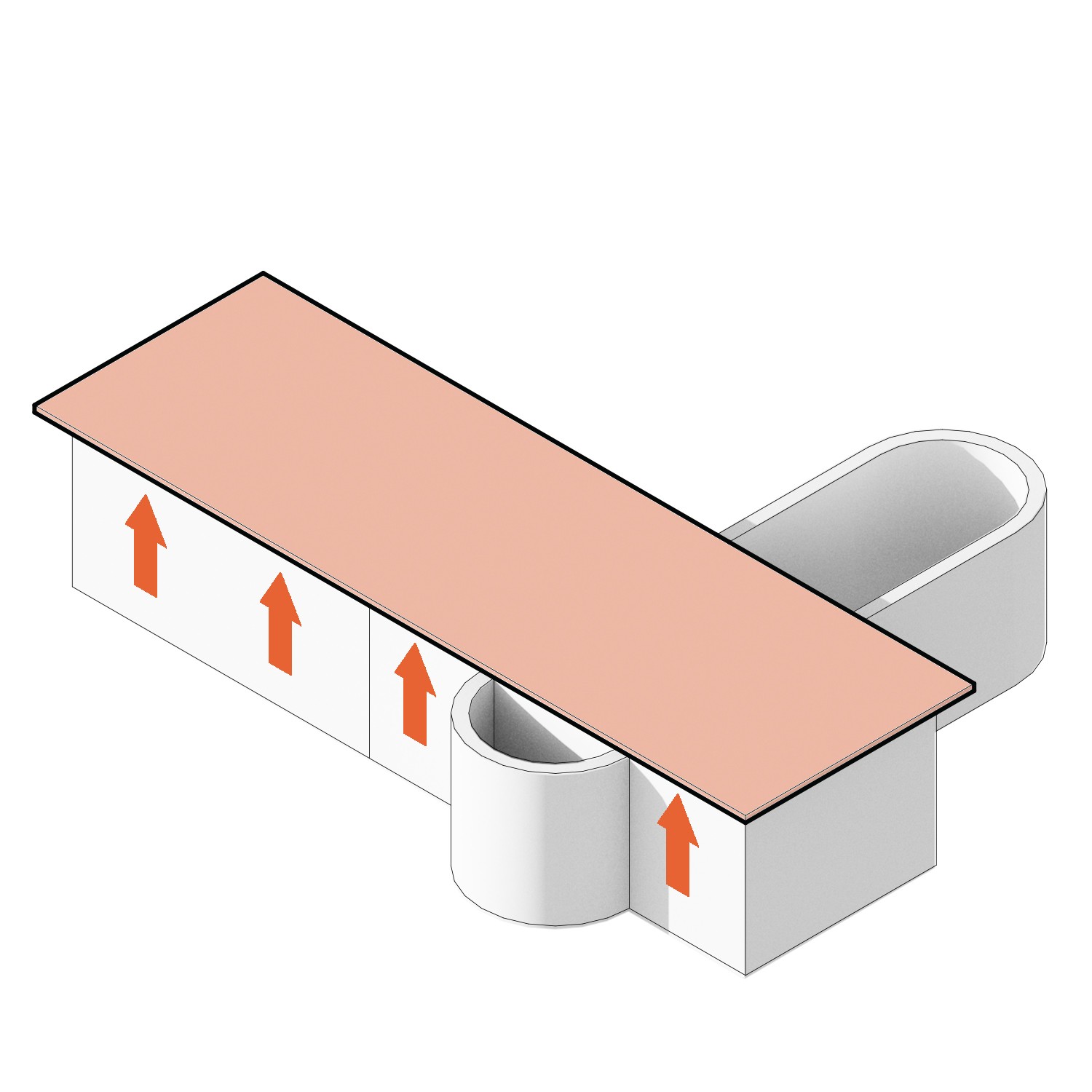
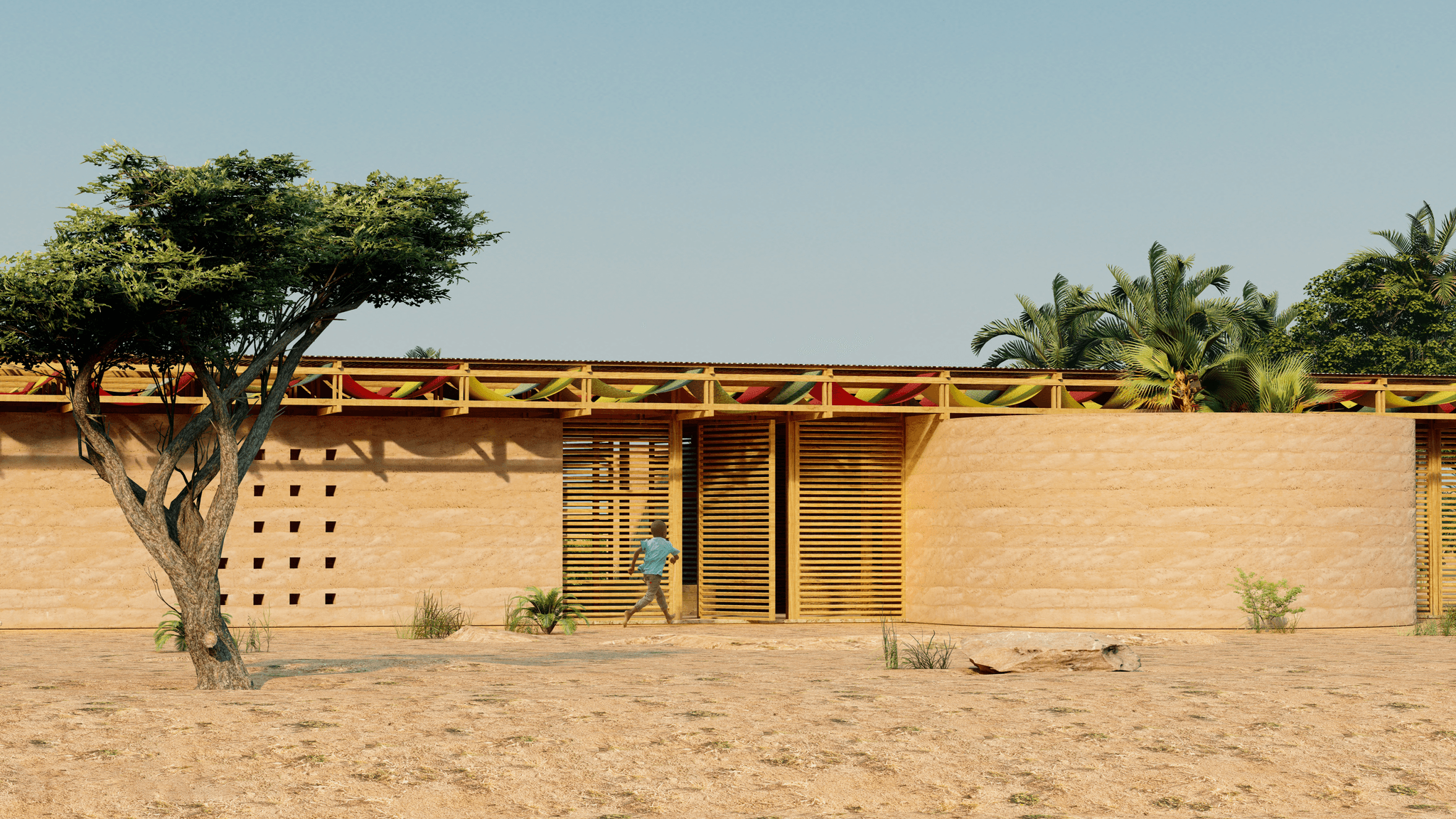
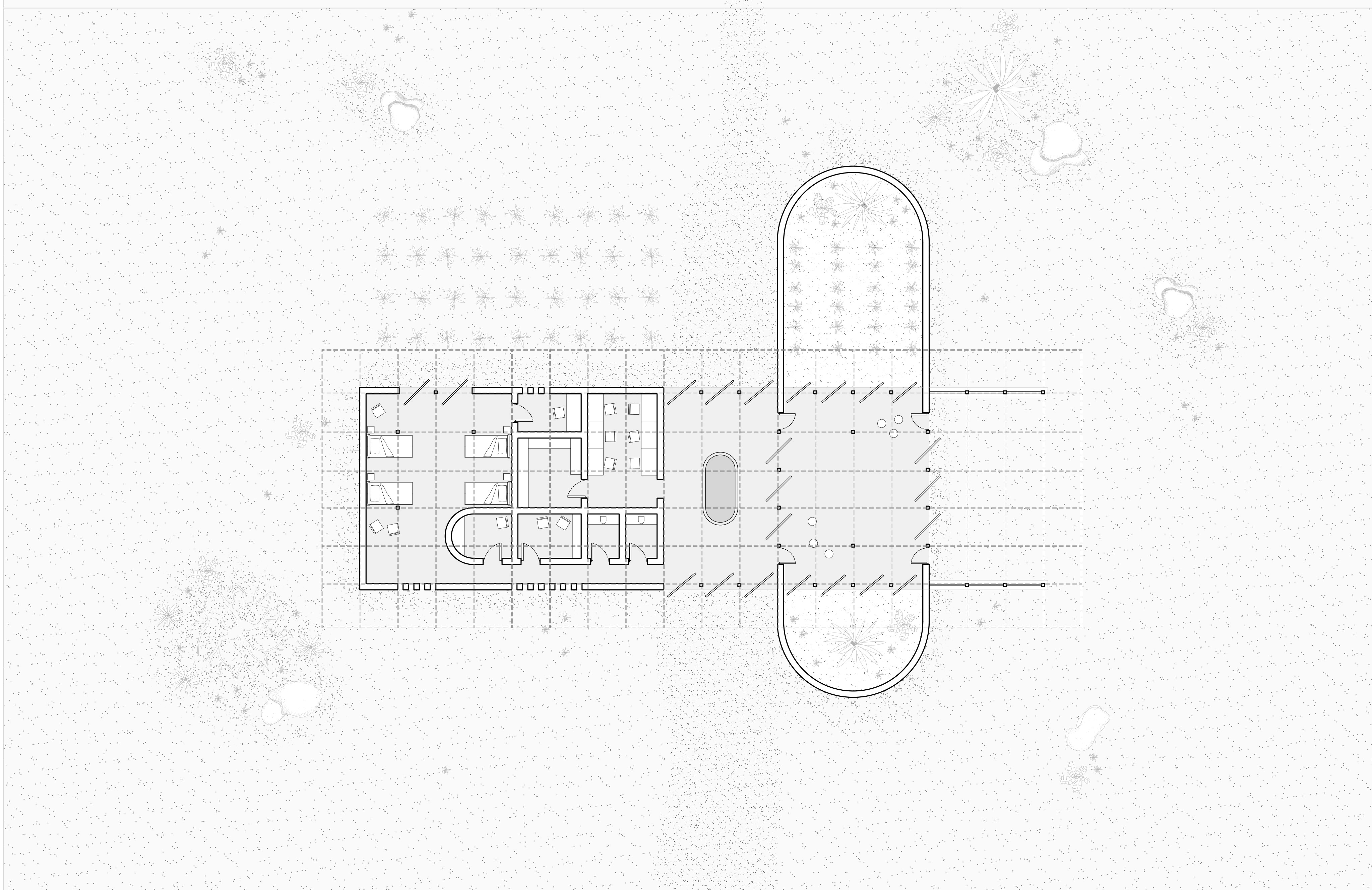
A monolithic form of laterite earth rests upon the ground, with intermittent wooden screens which invite users into the space within. The central entrance opens to a foyer with a well which acts to benefit the entire community and welcomes all members of the area to participate in the function of this building.
DESIGN OBJECTIVES


The foyer acts as a threshold between programming, dividing the private family spaces from the more public interactive learning spaces. The interjecting courtyard walls create a pocket of defined exterior space which is utilized for agriculture.
CONTEXTUAL FUNCTIONS
The function of the entire building is to harmoniously organize the programming into a form which enhances the potential to educate and provide food security to the youth of Simbandi and the surrounding area.


OUTCOME
The building provides interactive opportunities to learn about agriculture and farming, contributing to more resilient food security among the local population. Simple construction techniques allow for local residents to meaningfully contribute to the development of the site and provide a space that embodies the cultural identity and practices and Simbandi.